Tag: screen time

  • Eye Strain & Screen Time Relief — Practical Home Tips

    Digital eye strain — also called computer vision syndrome — affects millions of people working and studying on screens across India. Hours of staring at phones, laptops, and tablets causes tired eyes, headaches, blurred vision, and dryness. The discomfort is real but usually reversible with ergonomic adjustments and simple eye habits practised at home.

    Symptoms of Digital Eye Strain

    • Tired, burning, or sore eyes after screen use
    • Dryness, redness, or excessive watering
    • Blurred or double vision, especially when shifting focus
    • Headache centred around the eyes or forehead
    • Neck and shoulder pain from poor posture
    • Difficulty keeping eyes open by end of day

    Relief Techniques That Work

    The 20-20-20 rule

    Every 20 minutes, look at something at least 20 feet (six metres) away for 20 seconds. This relaxes the ciliary muscles that focus at near distance. Set a phone timer or use a browser extension as a reminder — consistency is what makes this effective.

    Optimise screen position and settings

    Place the screen an arm’s length away with the top at or slightly below eye level. Increase text size so you are not squinting. Match screen brightness to ambient light — a screen much brighter than the room forces pupils to work harder. Enable night mode in the evening to reduce blue light exposure, which can delay sleep even if its direct harm to the retina is overstated.

    Blink consciously

    Screen use cuts blink rate by up to 60%, drying the eye surface. Make a habit of slow, complete blinks during work. After every video call or intense reading session, close eyes for ten seconds. Lubricating drops help if dryness persists.

    Proper lighting

    Avoid working in dark rooms with a bright screen — the contrast strain is significant. Position lights to eliminate glare on the screen. If using a desk lamp, place it beside the screen, not behind you where it reflects into your eyes.

    Correct glasses prescription

    Uncorrected or outdated prescriptions are a major hidden cause of eye strain. If you wear glasses, ensure your prescription is current. Ask your optometrist about anti-reflective coating for screen work. Slight computer-specific prescriptions help many people over 40.

    Posture and breaks

    Follow the 20-20-20 rule with a brief stand-and-stretch break. Shoulder and neck tension refers pain to the eye area. Keep feet flat, back supported, and wrists neutral on the keyboard.

    Children and screens: Limit recreational screen time per age-based guidelines. Ensure children hold devices at proper distance and take outdoor breaks — myopia progression links to prolonged near work and insufficient outdoor time.

    Work-From-Home Setup Checklist

    Use an external monitor or laptop stand to raise screen height. Keep reference documents at the same distance as the screen to minimise refocusing. Adjust chair height so feet are flat and eyes gaze slightly downward at the screen centre. Take a five-minute break every hour — stand, look outside, and roll shoulders. If you wear bifocals, consider computer glasses with an intermediate prescription; standard bifocals force an awkward neck angle that compounds strain.

    When to See an Eye Specialist

    • Symptoms persist despite two weeks of ergonomic changes
    • Sudden vision changes, flashes, or floaters
    • Eye pain rather than just tiredness
    • One eye significantly worse than the other
    • Headaches with nausea or aura — may be migraine, not just eye strain
    Related Guides

    This article is for general educational purposes only and is not a substitute for professional medical advice. Always consult a qualified healthcare provider for your specific situation. Last reviewed: January 2026. Read our full Medical Disclaimer.
  • Screen Time and Female Sexual Wellness — What Research Shows

    Screen Time and Female Sexual Wellness — What Research Shows

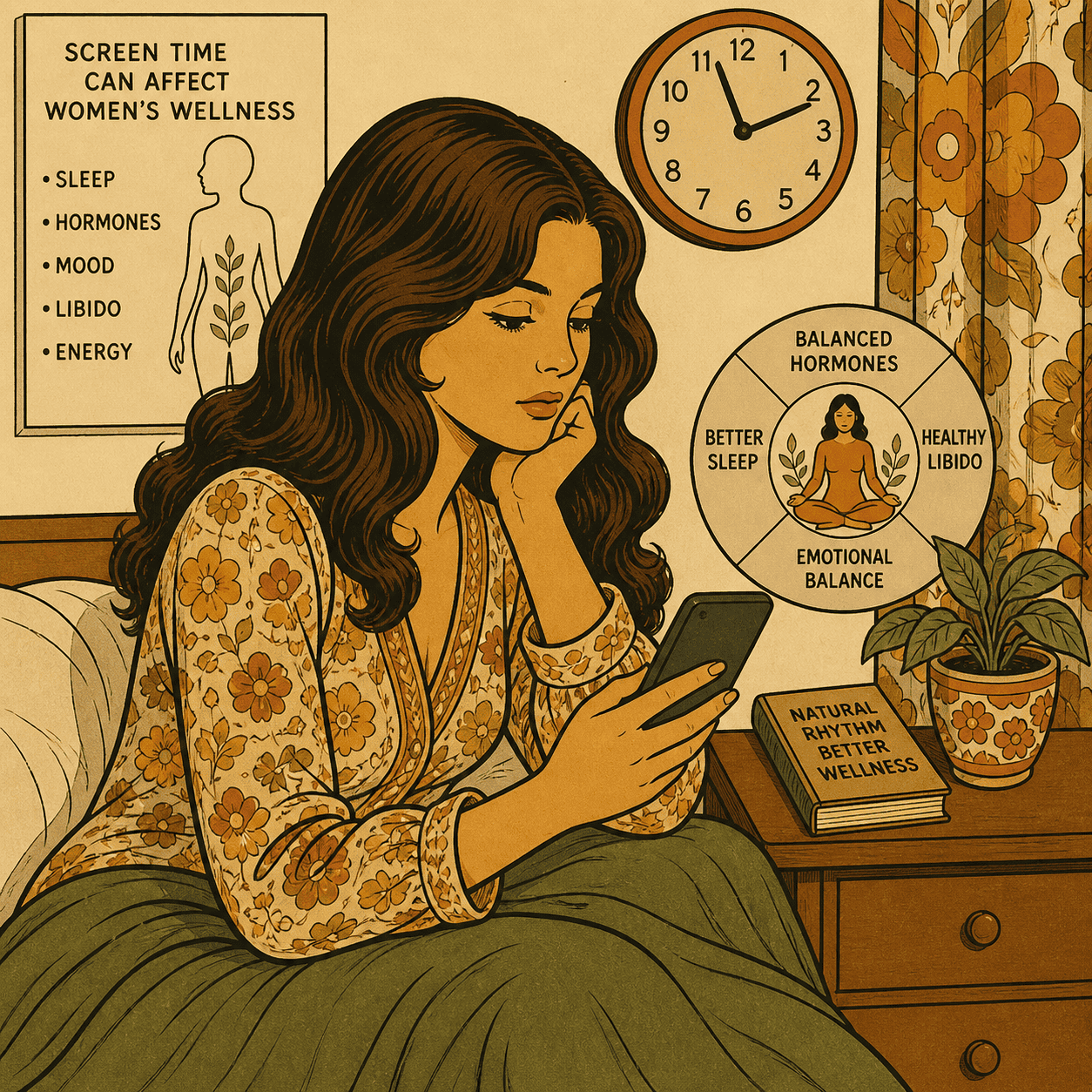
    Many women in India balance demanding work, family care, and constant smartphone use — often late into the night. Sexual wellness encompasses physical comfort, desire, arousal, emotional connection, and freedom from pain or distress. It is influenced by hormones, mental health, relationships, medications, and lifestyle factors including sleep and screen habits. Research increasingly links heavy evening screen use with poorer sleep and higher stress, both of which can affect libido and overall wellbeing. This article explores those connections respectfully and offers practical, evidence-informed steps — not moral judgments about technology use.

    How Screen Time May Affect Sexual Wellness

    • Sleep disruption — blue light and stimulating content delay melatonin, reducing sleep quality; poor sleep lowers energy and can dampen sexual desire
    • Chronic stress and cortisol — endless notifications and work messages keep the nervous system on alert, making relaxation and intimacy harder
    • Body image and comparison — social media exposure correlates with self-esteem concerns in some studies, which may affect confidence and comfort
    • Reduced partner connection — phones in the bedroom can replace conversation, affection, and shared downtime
    • Physical factors — prolonged sitting and poor posture contribute to pelvic floor tension and general fatigue
    • Underlying medical causes — low desire often reflects thyroid disease, anaemia, depression, PCOS, perimenopause, or medication side effects — not screens alone
    Important: Changes in sexual desire or comfort are common and not something to feel ashamed about. Persistent pain, dryness, or distress warrant confidential discussion with a gynaecologist — not self-blame about phone use.

    Practical Steps for Healthier Digital Habits

    Supporting wellness through screen boundaries
    1
    Create a screen curfew before bed
    Stop non-essential scrolling 60–90 minutes before sleep. Use night mode, but prefer reading or stretching instead — blue-light filters help but do not eliminate stimulation from content.
    2
    Keep phones out of the bedroom
    Charge devices in another room and use a simple alarm clock. Couples who reduce bedroom screen time often report more conversation and restful sleep in research surveys.
    3
    Schedule device-free connection time
    Even 15–20 minutes of uninterrupted time with a partner — walk, tea, or quiet talk — supports emotional intimacy, which is part of sexual wellness for many women.
    4
    Curate social media intentionally
    Unfollow accounts that trigger comparison or anxiety. Limit passive scrolling; set daily app timers available on Android and iOS.
    5
    Prioritise sleep and movement
    Seven to eight hours of sleep and regular walking or yoga improve mood, hormones, and blood flow — foundational for wellbeing. Anaemia screening is worthwhile if fatigue is persistent in Indian women.
    6
    Address stress and mental health openly
    Anxiety and depression affect desire and arousal. Counselling, mindfulness, and medical treatment when needed are valid paths. Sexual wellness includes feeling safe and emotionally supported.

    What to Avoid

    • Blaming yourself or your partner solely for complex changes in desire
    • Using unregulated supplements marketed for libido without medical advice
    • Ignoring painful intercourse — this is not normal and is treatable
    • Comparing your relationship to curated social media portrayals
    • Self-diagnosing hormonal problems from online symptom lists
    See a gynaecologist promptly if: persistent pain during intimacy, bleeding after sex, sudden loss of desire with other hormonal symptoms, or distress that affects your quality of life. These need professional assessment, not lifestyle changes alone.

    When to See a Doctor

    • Painful intercourse, vaginal dryness, or recurrent infections
    • Irregular periods, excess hair growth, or suspected PCOS or thyroid issues
    • Low mood, anxiety, or trauma affecting intimacy — confidential counselling helps
    • Perimenopause or menopause symptoms including hot flashes and dryness
    • Medications (some antidepressants, contraceptives) may affect desire — discuss alternatives
    • Concerns about safety in a relationship — seek support from trusted professionals or helplines

    Frequently Asked Questions

    Does too much screen time directly lower libido?

    There is no single proven direct cause, but screen-heavy evenings often reduce sleep and increase stress — both linked to lower desire in women in several studies. Addressing sleep and stress frequently improves overall wellness more than focusing on screens alone.

    Is it normal for desire to fluctuate?

    Yes. Desire naturally varies with menstrual cycle phase, pregnancy, breastfeeding, stress, illness, and life stage. Concern is warranted when changes are persistent, painful, or distressing — not for normal variation.

    Can reducing screen time improve my relationship?

    Many couples find that device-free time improves communication and emotional closeness, which supports intimacy for some people. It is one factor among many — relationship counselling can help when communication is strained.

    Should I take herbal products advertised for female wellness online?

    Be cautious. Many products lack rigorous safety data and may interact with medicines or hormones. Discuss supplements with a qualified doctor, especially if you have liver disease, take contraceptives, or plan pregnancy.

    This article is for general educational purposes only and is not a substitute for professional medical advice. Always consult a qualified healthcare provider for your specific situation. Last reviewed: October 2025. Read our full Medical Disclaimer.