Tag: Stress Relief

  • Ashwagandha Benefits & Side Effects — A Safe Home Use Guide

    Ashwagandha (Withania somnifera) is one of the most popular adaptogenic herbs used for stress, sleep, and general wellbeing. Clinical studies suggest it may lower cortisol levels and improve sleep quality in adults with mild to moderate stress. However, ashwagandha is a potent herb with real side effects and drug interactions — it should be treated as a supplement that warrants medical awareness, not a casual kitchen remedy.

    Documented Benefits

    Most evidence comes from studies using standardised root or root-and-leaf extracts at doses of 300–600 mg daily for eight to twelve weeks. Benefits observed in research include:

    • Stress and anxiety reduction — may lower perceived stress scores and cortisol levels
    • Sleep improvement — helps some people fall asleep faster and feel more rested
    • Physical performance — modest improvements in strength and recovery in active adults
    • Cognitive support — early evidence suggests benefits for attention and memory under stress
    • Thyroid support — may increase thyroid hormone levels in subclinical hypothyroidism (requires monitoring)

    How to Take Ashwagandha at Home

    Standardised capsules or tablets

    The most reliable approach for consistent dosing. Look for products standardised to at least 5% withanolides. A typical research dose is 300 mg taken twice daily with food. Start with a single 300 mg dose for one week to assess tolerance before increasing.

    Ashwagandha powder (churna) with warm milk

    Mix a quarter to half teaspoon of ashwagandha root powder into warm milk with a pinch of nutmeg before bed. This traditional preparation supports sleep. Powder potency varies between brands, so measure carefully and do not exceed one teaspoon daily without medical guidance.

    Timing and duration

    Take with meals to reduce stomach upset. For sleep benefits, an evening dose works best. Most studies run eight to twelve weeks — assess how you feel after six weeks and discuss continued use with your doctor. Cycling off for two to four weeks after three months of daily use is a prudent approach.

    Not a replacement for mental health treatment. Ashwagandha may help mild stress and poor sleep, but it does not treat clinical depression, generalised anxiety disorder, or insomnia that needs medical evaluation. Seek professional help if symptoms affect daily life.

    Common Side Effects

    Ashwagandha is generally well tolerated at standard doses, but side effects do occur. Reported issues include:

    • Digestive upset — nausea, diarrhoea, or stomach discomfort; usually reduced by taking with food
    • Drowsiness — especially at higher doses or when taken during the day
    • Headache — occasional, often resolves by lowering the dose
    • Liver effects — rare cases of liver injury linked to ashwagandha supplements have been reported; stop immediately if you notice jaundice, dark urine, or upper abdominal pain
    • Hormonal effects — may increase testosterone; relevant for people with hormone-sensitive conditions

    Who Should Avoid Ashwagandha

    • Pregnancy and breastfeeding — may cause miscarriage; avoid entirely
    • Autoimmune diseases — lupus, rheumatoid arthritis, multiple sclerosis — may stimulate immune activity
    • Thyroid disorders — can raise thyroid hormones; requires monitoring if you take levothyroxine
    • Surgery — stop at least two weeks before scheduled surgery due to sedative and immune effects
    • Sedative medications — benzodiazepines, sleeping pills — additive drowsiness risk
    • Immunosuppressants — may counteract medication effects

    When to See a Doctor

    • Stress, anxiety, or low mood lasting more than two weeks and affecting work or relationships
    • Insomnia persisting despite good sleep hygiene for more than one month
    • Any plan to combine ashwagandha with prescription medications
    • Symptoms of thyroid dysfunction — unexplained weight change, fatigue, hair loss, heat or cold intolerance
    • Signs of liver problems while taking ashwagandha — yellow skin or eyes, persistent nausea
    Related Guides

    This article is for general educational purposes only and is not a substitute for professional medical advice. Always consult a qualified healthcare provider for your specific situation. Last reviewed: March 2026. Read our full Medical Disclaimer.
  • Mindfulness for a Balanced Life — Practical Guide for India

    Mindfulness for a Balanced Life — Practical Guide for India

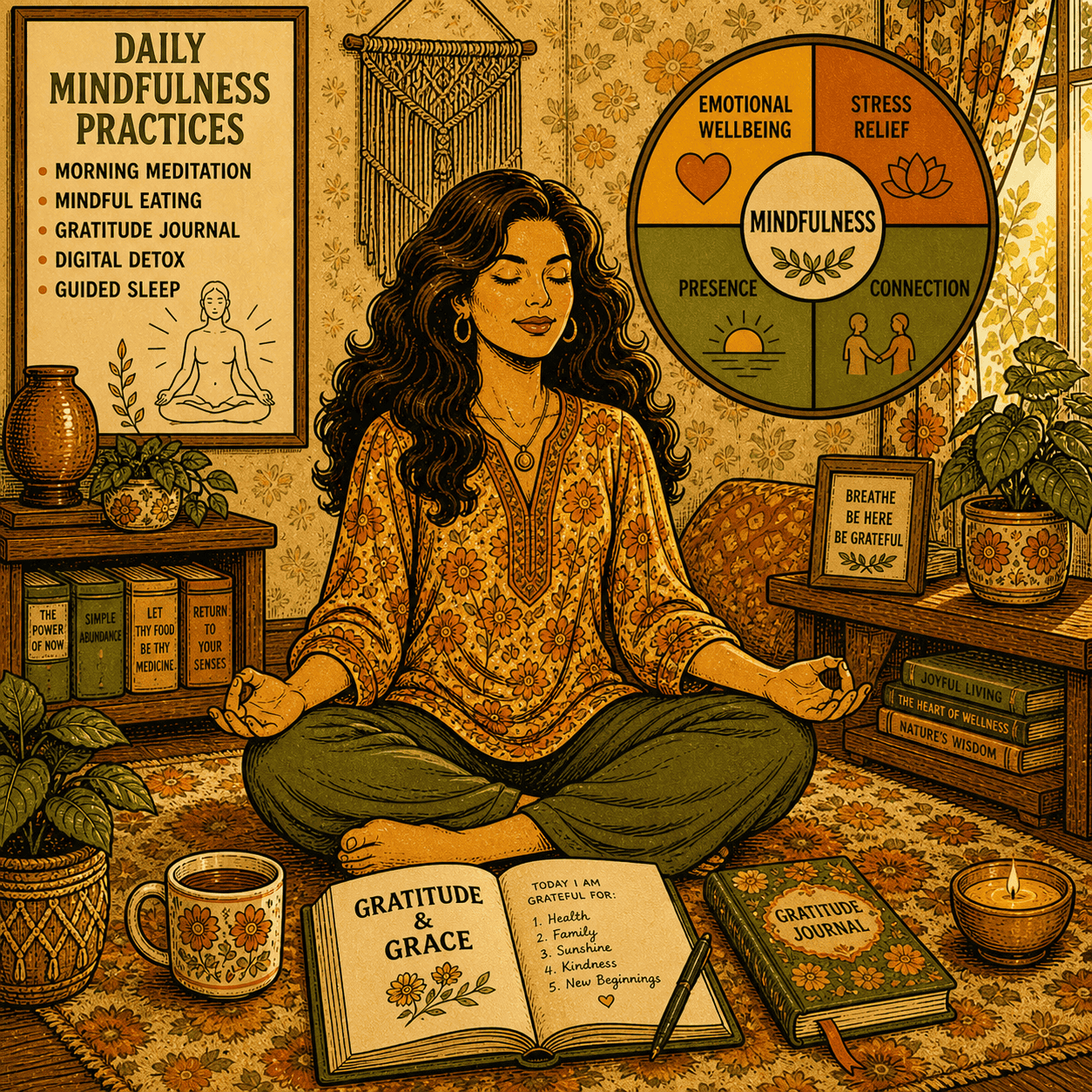
    Mindfulness is the practice of paying deliberate, non-judgemental attention to the present moment — your breath, body sensations, thoughts, and surroundings. Research shows it can reduce stress, improve sleep quality, and support emotional regulation when practised consistently. In fast-paced Indian cities where long commutes, family responsibilities, and digital overload are common, even brief daily mindfulness can help restore balance. It complements — but does not replace — professional mental health care when anxiety, depression, or burnout are severe.

    What Mindfulness Can and Cannot Do

    • Evidence-based benefits — reduced perceived stress, improved focus, better sleep hygiene, lower blood pressure in some studies, and greater emotional awareness
    • Common forms — breath awareness, body scan meditation, mindful walking, mindful eating, and guided apps or audio sessions
    • Indian traditions — pranayama (controlled breathing), yoga, and vipassana meditation share roots with modern mindfulness; many find familiar cultural entry points helpful
    • Realistic expectations — mindfulness is a skill that develops over weeks, not a quick fix; wandering thoughts during practice are normal, not failure
    • Limitations — not a substitute for therapy, medication, or crisis intervention for clinical depression, trauma, or suicidal thoughts
    Important: If you experience persistent low mood, panic attacks, or thoughts of self-harm, seek help from a qualified mental health professional. India’s Tele-MANAS helpline (14416) offers free counselling support. Mindfulness works best as part of a broader wellbeing plan, not as sole treatment for mental illness.

    Practical Mindfulness Steps for Daily Life

    Building a sustainable mindfulness routine
    1
    Start with five minutes of breath awareness
    Sit comfortably each morning before checking your phone. Notice the sensation of air entering and leaving your nostrils. When your mind wanders — which it will — gently return attention to the breath without criticism. Five minutes daily beats one hour weekly.
    2
    Practise mindful transitions
    Use everyday moments as anchors: three conscious breaths before entering the office, mindful sips of chai without scrolling, or a brief pause before responding to a stressful message on WhatsApp. These micro-practices fit Indian work and family rhythms.
    3
    Try a body scan before sleep
    Lie down and slowly move attention from toes to head, noticing tension without trying to change it. This can ease the racing thoughts that keep many Indians awake in hot nights or after late-night screen use.
    4
    Combine with gentle movement
    Mindful walking in a park or terrace — feeling each footfall — or slow surya namaskar with breath coordination integrates body and mind. Even ten minutes on a balcony during cooler morning hours counts.
    5
    Reduce digital distraction deliberately
    Set one phone-free meal daily and one screen-free hour before bed. Constant notifications fragment attention; mindfulness rebuilds the capacity to focus on one thing at a time.
    6
    Keep a simple gratitude note
    Each evening, write one thing you noticed with full attention — the taste of dal, a child’s laugh, monsoon rain on the window. Gratitude paired with presence strengthens positive neural pathways over time.

    What to Avoid

    • Expecting a completely empty mind — the goal is awareness, not silence
    • Using mindfulness to suppress or avoid difficult emotions rather than acknowledge them
    • Practising intensive meditation alone without guidance if you have unresolved trauma
    • Replacing prescribed psychiatric treatment with meditation apps
    • Judging yourself harshly for missed days — consistency matters more than perfection
    Seek professional help if: you have persistent sadness lasting more than two weeks, panic attacks, inability to function at work or home, substance dependence, or any thoughts of harming yourself or others. Mindfulness supports recovery but cannot replace clinical care in these situations.

    When to See a Mental Health Professional

    • Stress or anxiety that interferes with sleep, appetite, or daily functioning for more than two weeks
    • Recurrent panic symptoms — racing heart, chest tightness, fear of dying
    • Depressive symptoms including loss of interest, hopelessness, or social withdrawal
    • Meditation or mindfulness practice triggers distressing memories or dissociation
    • Difficulty maintaining relationships or work performance despite self-care efforts
    • Desire for structured therapy such as mindfulness-based cognitive therapy (MBCT) or CBT

    Frequently Asked Questions

    How long before mindfulness shows results?

    Many people notice small shifts — slightly better sleep or less reactivity — within two to four weeks of daily five-to-ten-minute practice. Measurable changes in stress biomarkers and brain activity typically require eight weeks or more of regular practice. Treat it like physical exercise: benefits accumulate gradually.

    Is mindfulness the same as meditation?

    Mindfulness is a quality of attention that can be cultivated through meditation and also through everyday activities. Not all meditation is mindfulness-based — some traditions focus on mantras or visualisation. For stress reduction, breath-focused and body-awareness practices are the most studied.

    Can I practise mindfulness during a busy Indian workday?

    Yes. Brief practices work well — a two-minute breathing pause between meetings, mindful eating during lunch instead of eating at your desk, or conscious breathing during a metro commute. The key is anchoring attention to the present rather than requiring a silent retreat environment.

    Are mindfulness apps reliable?

    Apps such as Headspace, Calm, and Indian platforms like ThinkRight.me can provide structured guidance for beginners. Choose apps with evidence-based content and free or affordable options. Apps supplement but do not replace professional counselling when mental health symptoms are significant.

    This article is for general educational purposes only and is not a substitute for professional medical advice. Always consult a qualified healthcare provider for your specific situation. Last reviewed: February 2026. Read our full Medical Disclaimer.
  • Seven Practical Steps to Reduce Anxiety

    Seven Practical Steps to Reduce Anxiety

    Anxiety takes many forms including guilt, envy, jealousy, shame and fundamentally any kind of worry. The problem with anxiety is that once is starts it is very difficult to stop. In fact, once we recognize that we are being tortured, we often start to torture ourselves with this awareness as well. The ramifications are very far-reaching, ranging from physical (high blood pressure and other cardiac complications) to psychological (obsessive worrying, constant fear and the desire to complain.) When we are in the midst of high anxiety, what are some of the things we can do or practice to address this problem head on?

    1. Fix your attention: Part of the cause of the torture is that the mental chaos causes your attention to lose its stability. When attention loses its stability, it causes mental pain. If you find yourself in the midst of high anxiety, find an object in your environment and focus on it for 30 seconds or longer if you can. The more specific you are, the easier it may be to hold your attention on that spot. For example, rather than focusing on the television, focus on the midpoint on the right side of the screen. You can choose any object in the environment including bottled water, electric sockets or even your watch strap.

    2. Take a music break: Anxiety is partly caused by your attention also being consumed by your brain’s fear detector. If you take a music break, this takes your attention to something pleasurable and off of the fear-at least for a short while. You may even make a “mind-torture playlist” so that you are guaranteed that your attention will be grabbed by the songs that you really like.

    3. Play the “what if” game: Studies show that future optimism can displace fear as the major emotional player in the brain. Even if life is far from perfect, you can train yourself to play the “what if” game for five minutes a day. You may even start your day like this. The “what if” game goes like this: Ask yourself: What if my life were to have one better thing in it? What would this be? You can then increase this to “two better things” and “three” and so on. This will cause your brain to search for something different from the torture that it is fixated on. Also, his will help you understand what is really important to you.

    4. Indulge your senses: Distraction can be more than mental. If you are looking to escape your anxiety, why not schedule a massage, manicure or pedicure? Touch and aesthetic satisfaction can both replace the internal torture that your brain has decided to unleash on you.

    5. Get a hug: Did you know that hugging increases oxytocin and decreases the activation of the fear center in the brain? If you know someone you trust who will hug you, enter the hug. (Asking for a hug is less effective than entering one and giving and receiving the hugging energy.) Make sure that you choose someone who is not averse to touching or hugging, or else you will just worsen the way you feel.

    6. Play the “volume” game: Anxiety can be either soft or loud in you head. Play the “volume” game by trying to turn the volume up or down in your head. Once you learn to do this, keep the volume down for at least a minute as a start. This deliberate attention to thought volume will help you learn how to turn your mind volume down and will also help you feel more in control of the torture that you assume has to be at the same volume all of the time.

    7. Replace the words with images: Often, it is difficult to transform your anxiety to more positive words. But studies show that images have a more powerful effect on the mind than words. When in the midst of anxiety, close your eyes and imagine an image that you really like. (This will likely be more effective than looking at such an image but the latter can also be helpful.) Whether it is the thrill of a busy downtown area or waves crashing on the shore, imagining these calming images will provide some form of temporary relief.

    While meditation, understanding of worry and a deeper understanding of the nature of the mind will have longer lasting effects, the above emergency interventions may be useful strategies when you simply have to do something to stop the anxiety.